


Cats may have a reputation for being independent, but that does not mean they can safely be left alone for a weekend with extra food and water.
A bowl of food is not a care plan.
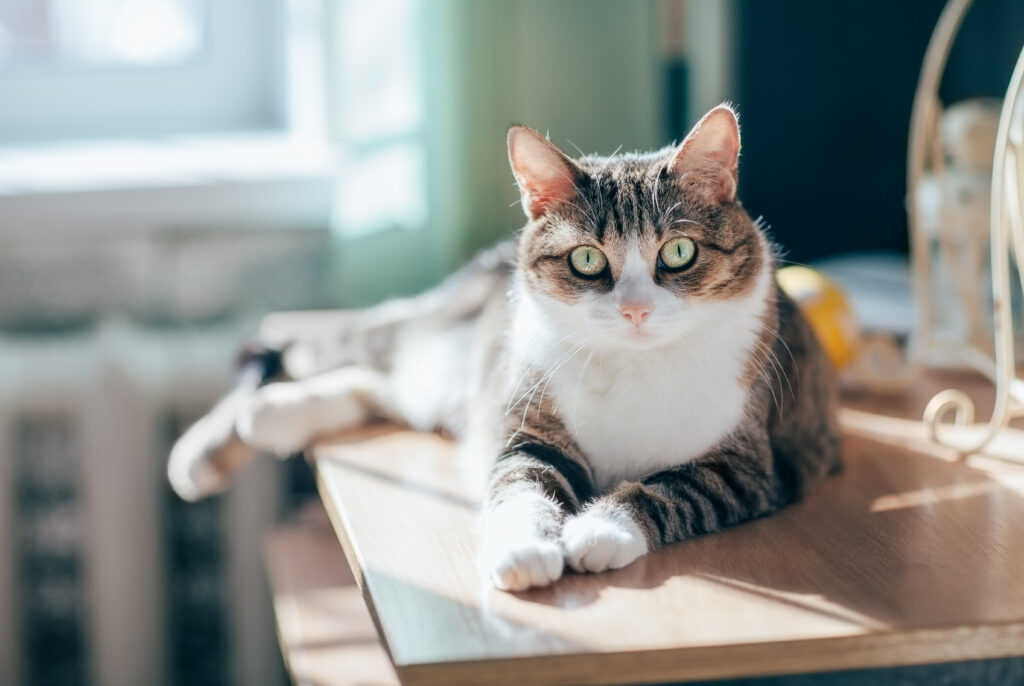
When you travel, your cat still depends on someone to provide fresh food and water, keep the litter boxes clean, notice changes in behavior, and step in if something goes wrong. Good vacation care is not simply about leaving enough supplies. It is about making sure a capable, attentive person is present and prepared to recognize when your cat needs help.
Here is how to create a thoughtful care plan that protects your cat’s health, comfort, and sense of security while you are away.
Start With Your Cat’s Individual Needs
At least one thorough visit every day should be considered the minimum for a healthy adult cat—not necessarily the right amount of care for every cat.
A daily visit should involve much more than refilling a bowl and leaving. The sitter should see your cat whenever possible, provide the appropriate meals, refresh the water, scoop and check the litter boxes, and spend time offering play or companionship if your cat wants it.
Some cats need two visits a day or a sitter who stays overnight. That may be the better choice for:
- Kittens
- Senior cats
- Cats who need medication
- Cats with chronic or complicated health conditions
- Cats who eat several scheduled meals
- Cats who become distressed when left alone for long periods
Your cat’s age, health, feeding schedule, personality, and normal routine should determine the level of care—not simply the length of your trip.
For example, my cat Jackson is diabetic and receives insulin twice a day. He also needs a wet-food snack during the night. His care requires someone who understands exactly what to do, when to do it, and what changes might signal a problem.
Bring Care to Your Cat
Cats and dogs often experience travel and unfamiliar environments very differently. For many cats, home is not merely where they live. Their territory is an important part of what makes them feel safe.
Familiar scents, resting places, litter boxes, hiding spots, and routines all help a cat understand that they are secure. Removing them from that environment introduces unfamiliar sounds, smells, people, animals, and spaces—all at once.
Even a short trip to the veterinarian can be stressful for many cats and their people. Moving a cat out of their territory for several days can create even more stress.
That is why I strongly recommend arranging for care in your cat’s own home. Whenever possible, I have a sitter stay in our home so my cats can keep their familiar surroundings and routines while still receiving the attention and care they need.
Whether someone stays overnight or visits once or twice each day will depend on your cat. The important thing is to bring the right level of care to them.
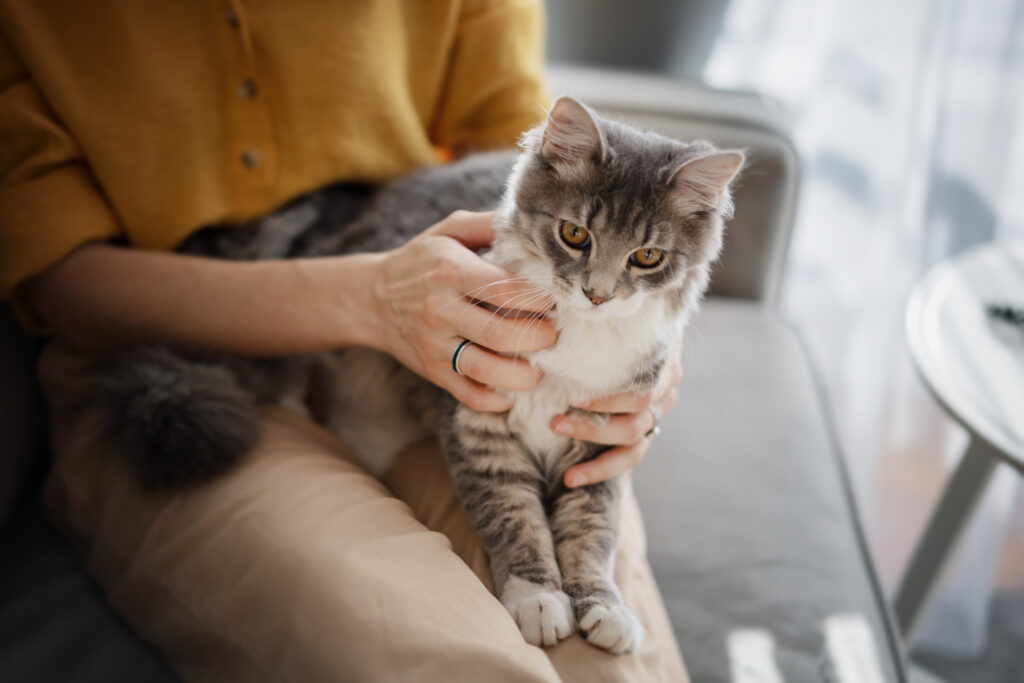
Choose Someone Who Will Truly Pay Attention
A person who loves animals is not automatically the right caregiver for every cat.
Your sitter needs to be dependable, able to follow instructions, and willing to spend enough time in your home to notice how your cat is actually doing. If your cat has medical needs, the sitter must also be comfortable and competent with the care involved.
Before your trip, arrange for the sitter to visit your home and meet your cat. Walk through the routine together rather than handing over a page of instructions as you leave.
Show the sitter where you keep:
- Food and feeding supplies
- Medications and supplements
- Litter and cleaning supplies
- Carriers
- Favorite toys and enrichment items
- Emergency information
If you use a water fountain or automatic feeder, demonstrate how it works and explain what to do if it stops working.
If your cat needs medication, ask directly about the sitter’s experience. Do not assume that anyone who likes animals can confidently give insulin, pills, inhaled medication, fluids, or other treatments. Demonstrate the process and make sure the sitter knows what to do if your cat refuses a dose or they are uncertain whether it was given correctly.
You should also identify a backup caregiver. Even the most reliable sitter can become ill, have car trouble, or experience an emergency. Make sure another trusted person has a safe way to enter your home if needed.
Explain What Is Normal for Your Cat
Cats are skilled at hiding pain and illness, and their early signals can be subtle. Your sitter cannot recognize an important change unless they understand what is normal for your cat.
Explain whether your cat usually greets visitors or hides, where they tend to sleep, how interested they are in food and play, and what their typical litter-box habits look like.
A shy cat who normally hides from visitors may stay hidden from the sitter without anything being wrong. But if a social cat who usually appears at mealtime suddenly refuses to come out, that change may matter.
The sitter should know your cat’s favorite hiding places so they can locate them without forcing an interaction. Even when a cat does not want to play or be touched, the quiet presence of a calm person can still provide companionship and reassurance.
Put the Care Routine in Writing
Even a wonderful sitter can forget details, particularly when following an unfamiliar routine or caring for several animals. Clear written instructions remove guesswork and make it easier for the sitter to provide consistent care.
Include:
- What, when, and how much your cat eats
- Where meals are served and whether pets must be separated
- Medications and supplements, including timing and dosage
- Water bowl or fountain locations
- Litter-box locations and cleaning instructions
- Normal behavior, routines, and hiding places
- Favorite forms of play, enrichment, or companionship
- Household instructions and escape risks
- How and when you want the sitter to contact you
If you have multiple cats, clearly explain who eats which food. Do not assume the sitter will know whether the right cat ate the right meal.
Leave more than one source of water in case a bowl spills or a fountain stops working. Tell the sitter which litter-box changes you want reported, such as diarrhea, blood, straining, repeated trips to the box, unusually large or small amounts of urine, or no apparent use.
Before you leave, secure strings, ribbon, plastic bags, toxic plants, unstable objects, and anything else your cat might investigate while the household routine is different. Check window screens and clearly identify any doors that must remain closed.
Create a Clear Emergency Plan
Do not leave only the name of your veterinarian. Your sitter should have everything needed to act promptly if your cat becomes ill or injured.
Provide:
- Your regular veterinarian’s name, phone number, and address
- The nearest emergency veterinary clinic
- A trusted local backup contact
- The location of each cat carrier
- Instructions for what to do if you cannot be reached
- A plan for treatment authorization and emergency expenses
Contact your veterinary clinic before your trip and ask how they handle treatment authorization and payment when a guardian is away. If possible, leave written permission for your sitter to seek veterinary care.
Discuss which changes require an immediate call. A missed meal, repeated vomiting, breathing changes, difficulty urinating, sudden weakness, an injury, or a significant change in behavior should never wait for the next routine update.
Ask for Updates That Tell You Something Useful
A daily photo can be wonderfully reassuring, but it should not be the entire update.
Ask your sitter to confirm whether your cat:
- Ate their meals
- Drank normally
- Used the litter box
- Received any medication
- Was seen and appeared to be moving comfortably
- Behaved in a way that was normal for them
This does not need to become a lengthy report. A few specific details can tell you much more than a photo alone—and may help you notice a pattern that deserves attention.
Make Planning Easier With the Free Pet Sitter Care Guide
There is a great deal to remember when preparing someone to care for your pets. Writing it down once can make every future trip easier and give both you and your sitter greater peace of mind.
I created a free Pet Sitter Care Guide to give you one place to record feeding routines, medications, normal behavior, household instructions, veterinary contacts, emergency plans, and other important details.
The guide includes an individual care page that you can print or duplicate for each pet, so every animal’s unique routine, personality, and needs can be clearly explained.
Download the free Pet Sitter Care Guide
Thoughtful Preparation Is an Act of Care
Going away does not make you a bad cat guardian. We all occasionally need or want to travel.
The goal is not to feel guilty about leaving. It is to prepare thoughtfully, choose someone you trust, and make sure that person has everything they need to care for your cat well.
Because good vacation care is not just about leaving enough food.
It is about leaving your cat in capable, attentive, and compassionate hands.
Prefer to Watch?
Watch Going on Vacation? How to Leave Your Cat in Good Hands on the Animal Impact Hub YouTube channel.

